Espresso Machines
Best Espresso Machines for Small Kitchens
Compact espresso machines that respect limited counters, cabinets, and apartment kitchens.
Short answer
For most small kitchens, the De'Longhi Dedica wins on pure width while the Breville Bambino/Bambino Plus is the best compact pick if you want stronger daily drink quality—and both beat tall all-in-ones when cabinet clearance is tight.
In a small kitchen, dimensions and workflow beat feature lists. You need a machine you can leave out, refill without rearranging the counter, and clean without a scavenger hunt for storage bins.
Comparison Table
| Product | Best For | Price |
|---|---|---|
| De'Longhi Dedica | Narrowest footprint | $$ |
| Breville Bambino | Best compact quality | $$$ |
| Breville Bambino Plus | Small kitchen + milk | $$$ |
| Slim espresso corner kit | Tight apartments | $$$ |
Product Recommendations
De'Longhi Dedica
Around $200–$300
- Best for:
- The narrowest realistic espresso footprint
- Typical price:
- Around $200–$300
A ~6-inch-wide machine that fits permanent counter residence when every inch matters.
It solves the real small-kitchen problem: machines that only work if you drag them out of a cupboard each morning.
Key strengths
- +Extremely slim body
- +Easy to leave out permanently
- +Simple controls for shared households
Things to consider
- −Smaller reservoir and drip tray
- −Less advanced temperature/stability headroom
Key features
- •About 6 in / 15 cm wide
- •Front water tank access on many units
- •Slim power envelope for apartments
Breville Bambino
Around $300–$400
- Best for:
- Small kitchens that still want excellent daily espresso
- Typical price:
- Around $300–$400
Short, shallow, and fast-heating—the best compact machine when you care more about drink quality than absolute minimum width.
It uses surprisingly little depth for how capable the shots and steam feel in daily use.
Key strengths
- +Low height under cabinets
- +Fast ready time encourages daily use
- +Strong result-to-size ratio
Things to consider
- −Wider than Dedica
- −Needs a separate grinder (extra footprint)
Key features
- •Compact thermojet chassis
- •Low-profile body under cabinets
- •Manual steam wand without a bulky automatic pitcher system
Breville Bambino Plus
Around $400–$500
- Best for:
- Small kitchens centered on milk drinks
- Typical price:
- Around $400–$500
Keeps the Bambino’s compact idea while adding auto milk—useful when a second milk pitcher wouldn’t fit in storage.
You get café-style milk drinks without a full Barista Express width tax.
Key strengths
- +Auto milk without a huge chassis
- +Still counters-friendly
- +Quick weekday workflow
Things to consider
- −Slightly bulkier than base Bambino
- −Automatic milk path needs regular cleaning diligence
Key features
- •Auto milk texturing in a compact body
- •Fast heat-up
- •Smaller than most all-in-one stations
Breville Barista Express
Around $600–$700
- Best for:
- When one appliance footprint beats two
- Typical price:
- Around $600–$700
Wider than slim machines, but sometimes the best small-kitchen compromise when one integrated station beats machine + grinder sprawl.
In some apartments, total counter real estate for machine + separate grinder is worse than one wider unit.
Key strengths
- +Combined machine and grinder
- +Fewer devices to store
- +Predictable workflow once dialed
Things to consider
- −Not slim
- −Needs more width and often more vertical clearance
Key features
- •All-in-one footprint strategy
- •Integrated grinder
- •Best when separate grinder storage is impossible
Slim Espresso Corner Setup
Varies by machine
- Best for:
- Micro-kitchens optimizing the whole station
- Typical price:
- Varies by machine
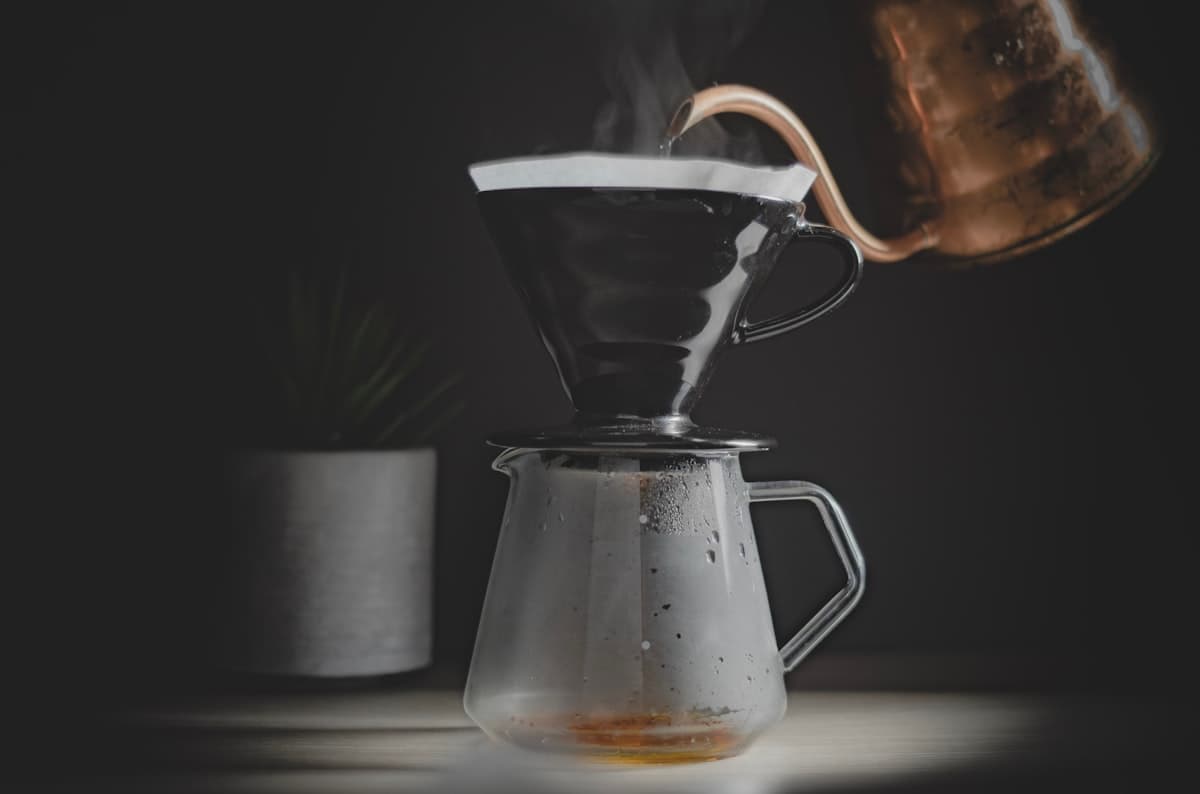
Think beyond the box: a slim machine, mini scale, wall-adjacent knock area, and beans stored vertically can free more space than swapping brands alone.
Small-kitchen espresso is a systems problem—accessories and storage matter as much as chassis width.
Key strengths
- +Forces intentional station planning
- +Improves daily cleanup speed
- +Works with multiple machine choices
Things to consider
- −Requires measuring first
- −Not a single SKU fix-all
Key features
- •Measure cabinet clearance before buying
- •Prefer front water-tank access
- •Store accessories vertical when possible
What to look for in small spaces
Measure width, depth, and height under cabinets—including the clearance needed to open a hopper or lift a water lid. Specs alone rarely show real kitchen fit.
Prioritize front or side water-tank access so you are not sliding a machine away from the wall every refill.
Plan the full workflow: grinder, knock box, and cup space. A slim machine with a bulky accessory sprawl still loses.
Cleaning cadence matters more in tight kitchens: small drip trays fill faster and milk systems need regular attention so residue does not take over limited counters.
FAQ
What is the best compact espresso machine?+
The Dedica is the slimmest common option; the Bambino family is the better compact pick when drink quality is the priority.
Can an espresso machine fit under kitchen cabinets?+
Many can, but hoppers on all-in-ones, tall water lids, and cup-warming trays can collide with cabinets. Always measure vertical clearance with the machine in its ready position.
Is a built-in grinder better for small kitchens?+
Sometimes. One wider all-in-one can use less total space than a slim machine plus separate grinder. Compare total station width, not machine-only width.
How do I store espresso accessories in a studio apartment?+
Use a shallow tray that slides under the machine or a wall-adjacent rail/shelf. Keep only daily tools out; rotate obscure gadgets into a drawer.
Are capsule machines better for tiny kitchens?+
They can win on speed and mess, not on espresso quality or long-term cost. If real espresso matters, a slim semi-automatic still fits many small homes.
Related Coffee Standard Guides
Espresso Machines
Best Espresso Machines for Beginners
Approachable machines that help new home baristas learn espresso without a wall of dials.
Updated June 20, 2026 · 8 min read
Espresso Machines
Best Espresso Machines for Home Use
Home espresso machines chosen for daily life, not café production schedules.
Updated August 1, 2026 · 9 min read
Espresso Machines
Best Espresso Machines Under $500
Compact machines that make real espresso without stretching your budget past $500.
Updated July 2, 2026 · 9 min read
Coffee Setups
Best Coffee Setup for Small Apartments
High-signal gear lists when counter space is the real constraint.
Updated June 18, 2026 · 7 min read
Guides
Espresso Machine Buying Guide
A practical framework for choosing your first or next espresso machine.
Updated August 1, 2026 · 12 min read
Espresso Machines
Should You Buy an Espresso Machine With a Built-In Grinder?
A direct answer to the built-in vs separate grinder decision—convenience, taste, upgrades, and who should buy which.
Updated August 13, 2026 · 8 min read
Espresso Machines
De'Longhi Dedica Review
The ultra-slim budget espresso machine for tight counters—not the highest ceiling, but a real starting point when width and price come first.
Updated August 13, 2026 · 9 min read