Coffee Grinders
What Grind Size Should You Use for Espresso?
A practical guide to espresso grind size: what “fine” means, how extraction talks back, and how to adjust without chasing a mythic setting.
Short answer
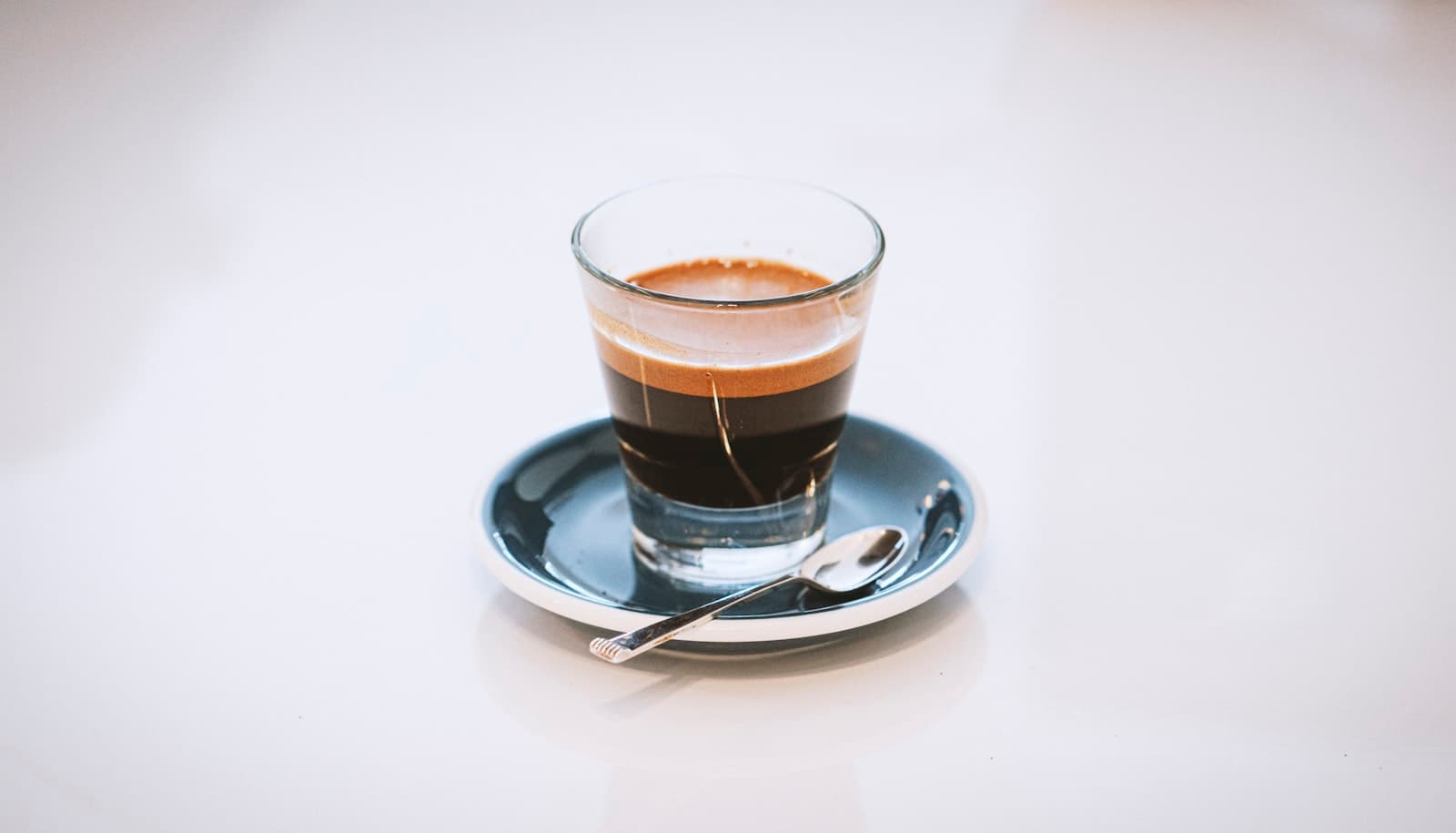
Use a fine grind that lets a typical double (about 18 g in, ~36 g out) run in the ballpark of 25–35 seconds after you start the pump—then ignore the clock if taste says otherwise. If the shot gushes and tastes sour, go finer. If it chokes or tastes harsh and tiny, go coarser.
Espresso grind size is a starting texture—fine, like table salt that still flows—not a universal number on your collar. You adjust until shot time, flow, and taste line up for that coffee, that basket, and that machine. A better grinder makes those adjustments smaller and more repeatable; it does not print a factory espresso setting that works for every bag.
What espresso grind size means
Grind size is the average particle size plus how wide that distribution is. Espresso uses a fine setting so water at ~9 bar meets enough resistance to extract in a short time. It is not Turkish-powder fine, and it is not drip-fine. If grounds look like sand for a beach, you are probably too coarse; if they clump into paste before they hit the basket, you may be too fine or too static-laden.
Why espresso is usually fine
Short contact time needs more surface area. A coarse espresso puck is a highway: water blasts through, under-extracts, and tastes sour or hollow. The fine puck is a network of tiny paths. Your job is to make those paths even (distribution, WDT, even tamp) so water does not cheat around a clump.
How to tell if it is too fine
The pump labors, flow is a drip, you barely hit yield in 40+ seconds, or the puck is muddy and the cup tastes bitter, ashy, or hollow-bitter. First fix: coarsen a little, keep dose the same, and only change one variable. A choked shot can also be a dirty grinder or a damp basket—see how often to clean a coffee grinder.
How to tell if it is too coarse
The shot blondes immediately, finish weight arrives in 15 seconds, and the cup is sour, salty, or tea-like. Go finer in small steps. If your grinder cannot make a small step, that is a grinder problem—look at what grinder to buy for espresso.
How to adjust (and why there is no fixed number)
Write down dose, yield, time, and collar number for that bag. Change grind OR dose, not both. New beans, humidity, and burr warmth all move the “correct” setting. Manufacturer pictograms (a portafilter icon) are hints, not calibration.
Grind size and extraction: finer generally increases extraction and resistance; coarser decreases both. Taste tells you which error you made. Grinder quality: cheap stepped mills jump over the setting you need. That is why Encore ESP, Opus, and DF54 show up in our espresso recommendations.
FAQ
What number should I set my grinder to for espresso?+
There isn’t one. Use the manufacturer’s espresso zone as a start, then adjust from taste and shot time for your beans.
Should espresso grind be as fine as possible?+
No. Fine enough to create resistance, coarse enough to flow. All-fine is how you choke a machine.
Does a better grinder need a different grind size?+
It needs a different setting on its own collar. The target texture is similar; the machine’s numbers are not transferable.
Related Coffee Standard Guides
Coffee Grinders
Best Espresso Grinders
Grinders that actually hold espresso settings day after day.
Updated July 5, 2026 · 9 min read
Coffee Grinders
Coffee Grinder Buying Guide
The decision framework behind every Coffee Standard grinder recommendation.
Updated August 7, 2026 · 12 min read
Coffee Grinders
Baratza Encore ESP Review
Why the Encore ESP is Coffee Standard’s frequent first espresso grinder pick.
Updated August 7, 2026 · 9 min read
Coffee Grinders
DF54 Review
The compact 54mm flat-burr single-dose grinder people buy when they want espresso precision without DF64 money.
Updated August 13, 2026 · 11 min read
Coffee Grinders
Fellow Opus Review
A design-forward all-purpose grinder for mixed brew methods—and a reasonable espresso entry if you accept more dial-in work than a specialist.
Updated August 13, 2026 · 10 min read
Coffee Grinders
What Grinder Should I Buy for Espresso?
A direct answer to the espresso grinder question—what actually matters, how much to spend, and which models fit real budgets.
Updated August 13, 2026 · 10 min read
Coffee Grinders
How Often Should You Clean a Coffee Grinder?
A practical cleaning schedule for home grinders: what to do daily, weekly, and when shots start tasting like old nuts.
Updated August 13, 2026 · 8 min read