Coffee Grinders
What Grinder Should I Buy for Espresso?
A direct answer to the espresso grinder question—what actually matters, how much to spend, and which models fit real budgets.
Short answer
For most people, buy an espresso-capable burr grinder: Baratza Encore ESP or Fellow Opus around $200 for a first electric, or a DF54-class 54mm flat-burr if you want stepless single-dose espresso without spending DF64 money. Spend on the grinder before you spend on a fancier machine.
Buy a burr grinder with enough fine adjustment to change shot time in small steps, consistent particle size, and a workflow you will use every morning. Blade grinders and most “coffee mill” appliances cannot hold espresso. Budget, dosing style (hopper vs single dose), and whether the grinder lives inside an espresso machine all matter—but consistency and adjustment come first.
Product Recommendations
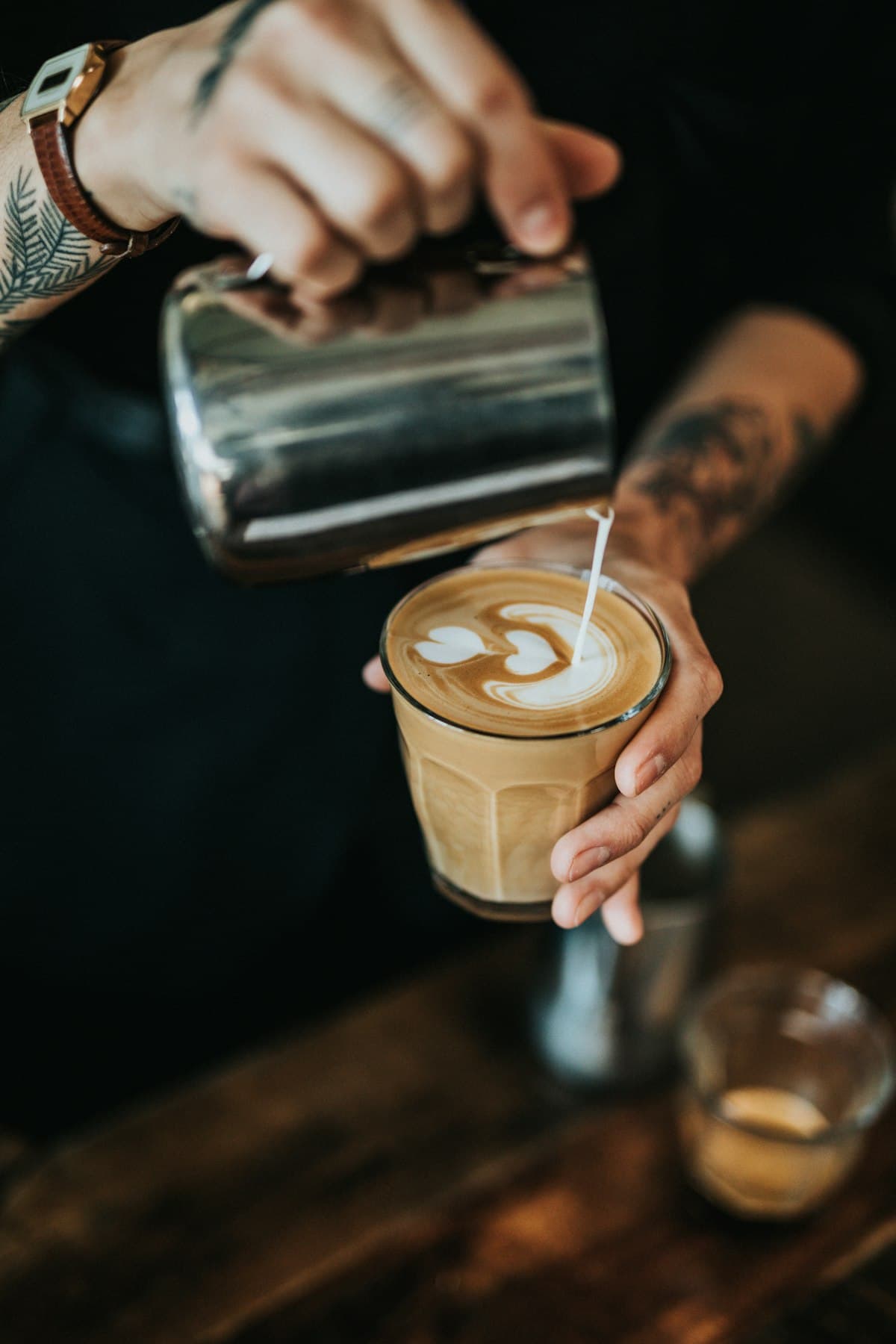
Baratza Encore ESP
Around $200
- Best for:
- First espresso grinder
- Typical price:
- Around $200
The conservative first espresso grinder: conical, supported, and actually able to move in the fine range.
It is the default Coffee Standard answer when someone asks what to buy without starting a specialist hobby.
Key strengths
- +Espresso-capable entry
- +Parts and repair culture
- +Also usable for filter
Things to consider
- −Not a flat-burr single-doser
- −Noise
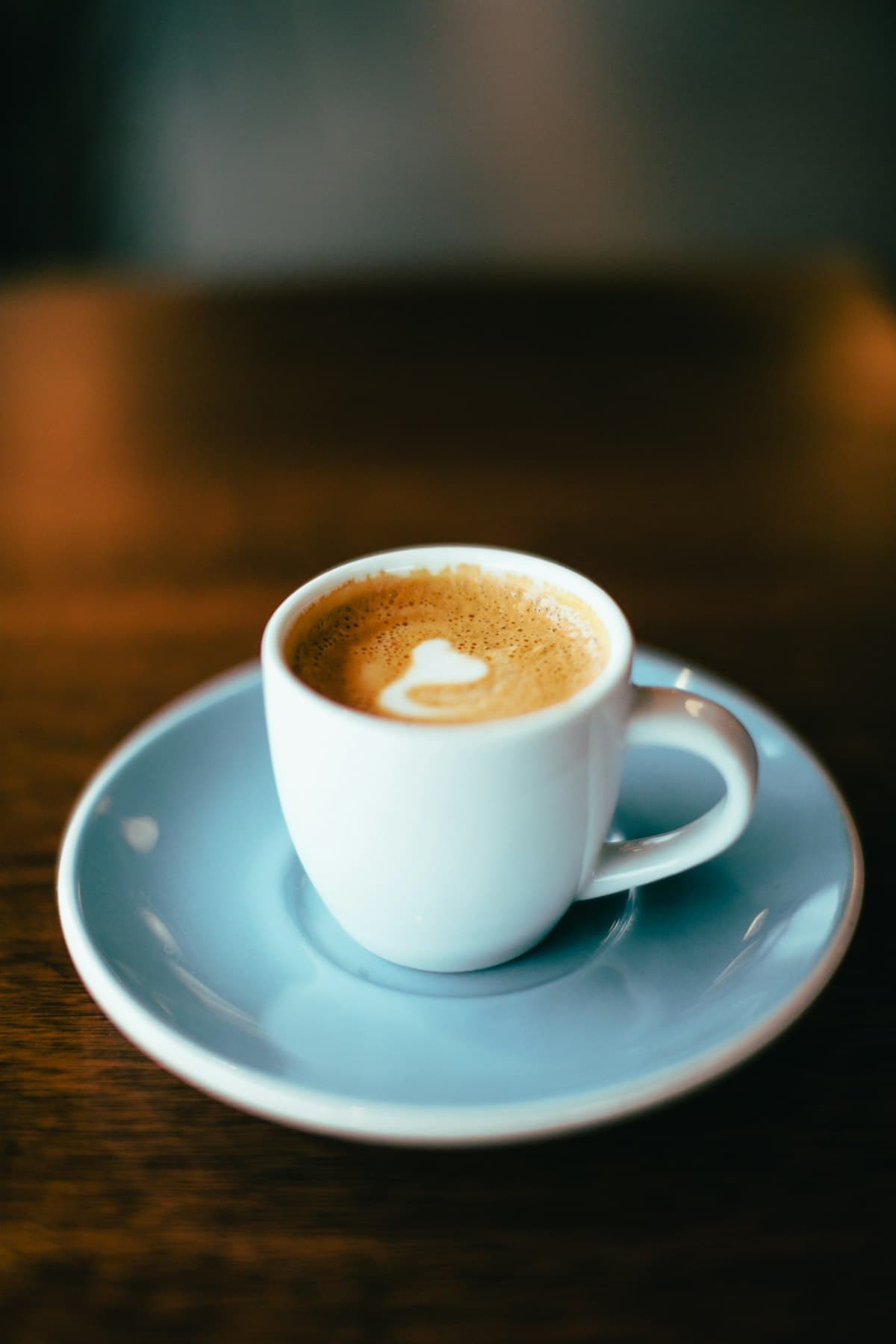
Fellow Opus
Around $200
- Best for:
- Mixed methods around $200
- Typical price:
- Around $200
Multipurpose conical if you brew filter and espresso and want a catch-cup, design-forward mill.
Same band as ESP with a different workflow and look. Read the full Opus review if this is your shortlist.
Key strengths
- +Wide range
- +Catch cup
- +Looks finished on a counter
Things to consider
- −Espresso still takes patience
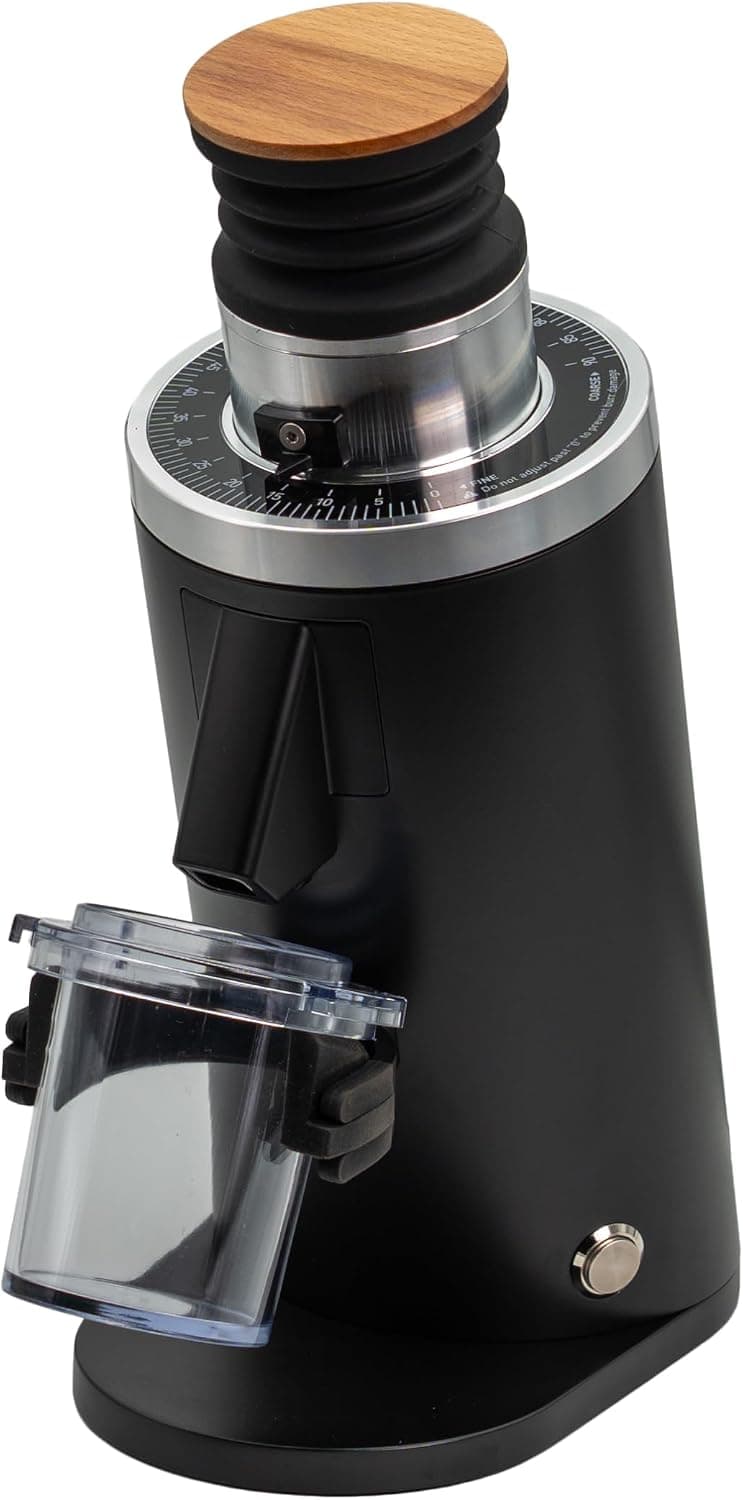
DF54
Around $229
- Best for:
- Espresso-first under ~$250
- Typical price:
- Around $229
Compact 54mm flat-burr single-dose grinder for people ready to weigh every dose.
Stepless flats at this price change what a “budget espresso grinder” can mean—if you accept enthusiast ownership.
Key strengths
- +Flat burrs
- +Stepless
- +Tiny footprint
Things to consider
- −Version/vendor variation
- −Less appliance-simple
What makes a good espresso grinder?
Burrs, not blades. Espresso needs a large share of fine particles that are still even enough to resist channeling. Consistency matters more than a pretty hopper.
Fine adjustment: you must be able to change grind enough to move a shot by a few seconds without jumping from choke to blond. Stepped grinders can work if steps are small; stepless collars help.
Espresso suitability is not a marketing badge. If a grinder cannot hold a setting in the fine range, it is a filter grinder. Dosing—hopper vs single dose—changes freshness and speed, not the physics. Budget decides whether you buy Encore ESP class or step into DF-class flats.
How much should you spend?
Under $100, treat electric espresso as a compromise; a good manual burr is often more honest. Around $200, Encore ESP and Opus are the realistic electric on-ramp. Around $230–$300, DF54-class grinders become the value espresso story. Past $300 you pay for speed, alignment, noise, and workflow—not a new law of physics. More in is an expensive coffee grinder worth it?.
Manual vs electric
Manual espresso grinders can produce excellent particle quality if you will turn the crank for every shot. Electric wins when multiple drinks or weekday speed matter. See manual vs electric.
Built-in vs separate
A machine with a built-in grinder is a setup, not a better burr. Separate grinders usually win taste and upgrades. Built-in wins one footprint. Full argument: should you buy a machine with a built-in grinder?.
Best options by budget
Under $200: Encore ESP for espresso-first beginners; Opus for mixed methods. See best coffee grinders under $200.
Around $200–$300: DF54 if you want single-dose flats; Sette-class if you want Baratza speed. See best espresso grinders under $300, best coffee grinders under $300, and Encore ESP vs DF54.
Common mistakes
Funding a $700 all-in-one and pairing it with grocery pre-ground. Buying a blade grinder “until we know we like espresso.” Assuming the built-in mill is equivalent to a DF54. Skipping a scale so you cannot tell if the grind change worked.
Recommended Coffee Standard guides
Start with the coffee grinder buying guide, then best espresso grinders. If you still need grind technique, read what grind size to use for espresso.
FAQ
What grinder should I buy for espresso as a beginner?+
Baratza Encore ESP for most people. Fellow Opus if you also brew a lot of filter and care about design. DF54 if you want to skip straight to single-dose flats and will use a scale.
Can I use a regular coffee grinder for espresso?+
Only if it can actually hold a fine, even setting. Most drip grinders cannot. “Coffee grinder” on a box is not the same as espresso-capable.
Do I need a separate grinder if my machine has one?+
Not on day one. You may want one later. The built-in unit is usually the first ceiling you hit.
Is a more expensive grinder always better for espresso?+
Better consistency and adjustment usually cost money, with diminishing returns. Match spend to how often you pull shots.
Related Coffee Standard Guides
Coffee Grinders
Best Espresso Grinders
Grinders that actually hold espresso settings day after day.
Updated July 5, 2026 · 9 min read
Coffee Grinders
Best Espresso Grinders Under $300
Espresso-specific grinder picks when your budget stops at $300.
Updated September 8, 2026 · 12 min read
Coffee Grinders
Coffee Grinder Buying Guide
The decision framework behind every Coffee Standard grinder recommendation.
Updated August 7, 2026 · 12 min read
Coffee Grinders
Best Coffee Grinders Under $200
The price band where daily electric grinders start feeling “real.”
Updated August 7, 2026 · 9 min read
Coffee Grinders
Best Coffee Grinders Under $300
Research-backed picks when your grinder budget tops out around $300—not just espresso specialists.
Updated September 17, 2026 · 14 min read
Coffee Grinders
Baratza Encore ESP Review
Why the Encore ESP is Coffee Standard’s frequent first espresso grinder pick.
Updated August 7, 2026 · 9 min read
Coffee Grinders
Fellow Opus Review
A design-forward all-purpose grinder for mixed brew methods—and a reasonable espresso entry if you accept more dial-in work than a specialist.
Updated August 13, 2026 · 10 min read
Coffee Grinders
DF54 Review
The compact 54mm flat-burr single-dose grinder people buy when they want espresso precision without DF64 money.
Updated August 13, 2026 · 11 min read
Comparisons
Baratza Encore ESP vs DF54
Approachable conical entry versus compact flat-burr single-dose espresso performance.
Updated September 17, 2026 · 11 min read