Espresso Machines
Breville Barista Pro Review
A faster all-in-one than the Barista Express—for people who want an integrated grinder and more control than a fully automatic, without high-end gear.
Quick verdict
The Breville Barista Pro is a strong choice for home users who want an integrated grinder and more control than a fully automatic machine without moving into high-end equipment. It is worth buying when one footprint and faster weekday readiness matter more than a dedicated espresso grinder.
The Breville Barista Pro (BES878) is Breville’s step up from the Barista Express: ThermoJet-class heat-up, an LCD interface, and the same all-in-one idea of grinding into a 54mm portafilter at one station. Our assessment is based on the machine’s specifications, features, typical street pricing, manufacturer documentation, and comparison with competing models—not a Coffee Standard hands-on test.
Research fit score: 4.3/5 — based on specifications, retailer documentation, and category tradeoffs. Not a lab-test score.
Typical price: Typically high $600s to around $800; prices vary by retailer
Best For
- •Beginners who want an all-in-one espresso setup
- •Households that want faster heat-up than the Barista Express
- •People who prefer buttons and an LCD over a full touchscreen
Key Specifications
| Specification | Detail |
|---|---|
| Model | BES878 (Barista Pro) |
| Type | Semi-automatic with integrated conical burr grinder |
| Heating | ThermoJet; manufacturer claims ~3-second heat-up |
| Portafilter | 54mm stainless steel |
| Interface | LCD with grind, shot, and steam controls |
| Water tank | About 2 L, removable |
| Bean hopper | About 1/2 lb with locking lid |
| Pump | Italian pump; extraction targeted around 9 bar |
| Warranty (US, typical) | 2-year limited for household use; confirm current terms |
| Street price | Often below list; check current retailer pricing |
Product Overview
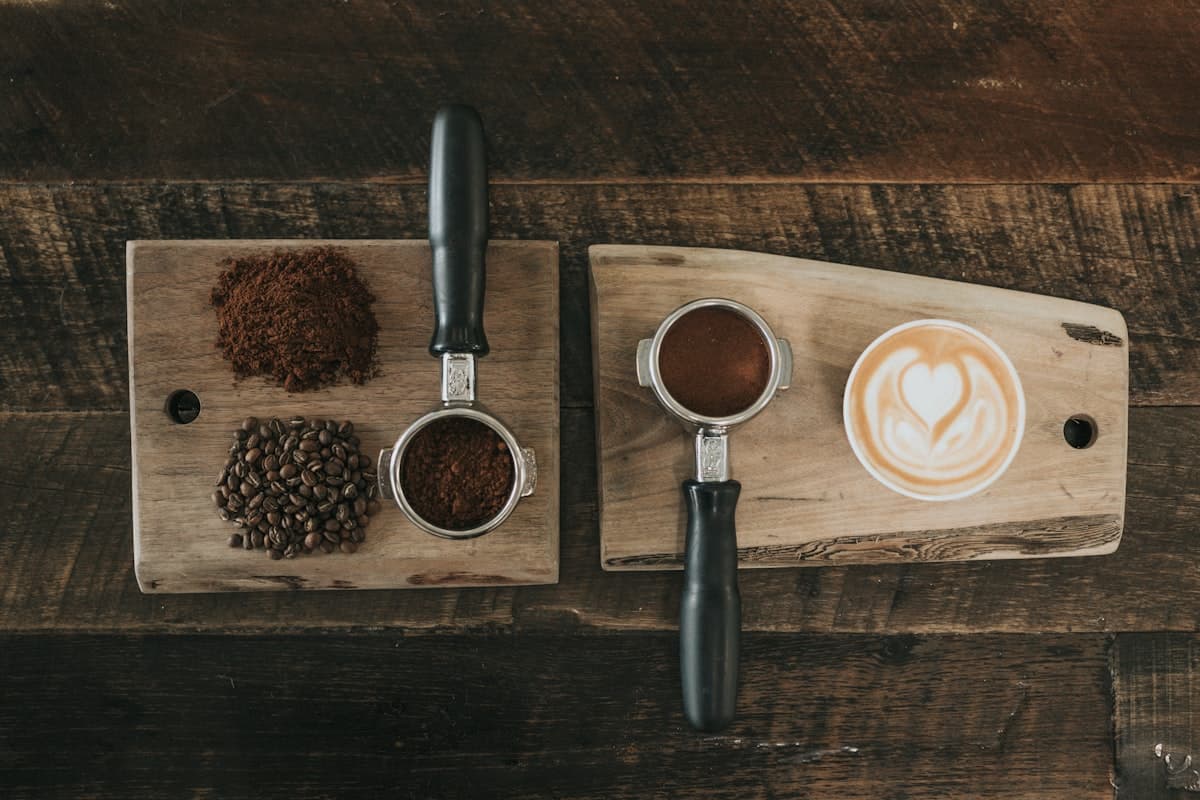
Breville Barista Pro
Typically ~$700–$800
- Best for:
- One-box espresso with faster weekday heat-up
- Typical price:
- Typically ~$700–$800
All-in-one home espresso machine with integrated grinder, ThermoJet heating, and an LCD control layout. Designed as a faster, more modern Barista Express rather than a prosumer dual boiler.
On specifications and category placement, it solves the Express’s main daily complaint—waiting—while keeping a complete beginner kit in one chassis.
Key strengths
- +Integrated grinder and accessories in one purchase
- +Much faster heat-up than thermoblock Express-class machines
- +Clear LCD workflow for grind and shot timing
- +Large community and parts familiarity
Things to consider
- −Built-in grinder is not the long-term performance ceiling
- −54mm ecosystem, not commercial 58mm
- −Wider footprint than Bambino-class machines
- −Harder to upgrade the grinder without replacing the station
Key features
- •Integrated conical burr grinder
- •ThermoJet heating
- •LCD interface
- •Manual steam wand
- •54mm portafilter kit
Features
The Pro is built around a complete station: hopper, dose into the portafilter, 54mm group, steam wand, and hot water. Manufacturer materials emphasize ThermoJet readiness and PID-style temperature management rather than dual boilers or pressure profiling.
Compared with fully automatic or super-automatic machines, you still lock in a portafilter and manage milk yourself. Compared with a Bambino plus separate grinder, you trade upgrade flexibility for one shopping decision.
Espresso workflow
A typical sequence is: set grind on the LCD, grind into the 54mm basket, tamp, lock in, and run a volumetric or timed shot. Dose trimming tools in the box exist because built-in grinders still need attention when beans change.
Espresso quality still tracks grind consistency and puck prep. The Pro makes the choreography compact; it does not remove dial-in. If that sounds like a chore, the Barista Touch or a capsule system may fit better.
Grinder performance
The integrated conical grinder is the convenience feature and the likely ceiling. It is espresso-capable for home milk drinks and medium roasts when you take time to adjust. It is not a substitute for a dedicated flat-burr single-doser if you rotate light roasts weekly.
That is the core trade in our espresso machine with grinder vs separate grinder guide: you can start this weekend, then outgrow the grinder while the boiler side is still fine.
Milk steaming
The Pro uses a manual steam wand, not the Bambino Plus / Touch auto-milk path. That is better for learning texture and worse if nobody in the house wants to practice. Heat-up speed helps because you are not waiting as long to go from shot to steam as on older thermoblock all-in-ones.
Ease of use
The LCD is the Pro’s usability pitch versus the Express’s analog-plus-gauge feel and the Touch’s menus. Most beginners can run daily drinks after a short learning curve if they weigh dose and yield.
Cleaning is still real ownership: wipe the wand, empty the drip tray, descale for your water hardness, and brush the grinder path. This is not a super-automatic with a one-button rinse cycle covering everything.
Cleaning & maintenance
Plan on backflushing on Breville’s recommended tablet schedule, descaling based on water hardness, and periodic hopper emptying so oils do not go rancid. Integrated grinders hide more coffee path inside the chassis than a separate DF54-class unit you can open on the counter.
Size / counter space
The Pro is a single wide station, not two slim devices. Measure depth including cup clearance and hopper fill from above. If width is the constraint, a Bambino plus a narrow grinder often fits better than any Barista-series chassis.
Final verdict
Buy the Barista Pro when you want one appliance, faster heat than the Express, and enough control to learn espresso without a second box. Skip it when you already know you will buy a serious grinder—put that money into a compact machine plus Encore ESP or DF54 instead.
See Barista Express vs Barista Pro and Barista Pro vs Barista Touch if you are still choosing inside the Breville family.
Who Should Buy It?
- •You want bean-to-cup espresso without buying a second appliance
- •You will actually use the built-in grinder daily
- •You prefer faster ThermoJet readiness over the Express’s slower heat cycle
Who Shouldn't?
- −You already own a capable espresso grinder—buy a smaller machine instead
- −You want commercial 58mm workflow or a three-way solenoid group like the Gaggia Classic Pro
- −You want saved drink recipes and auto milk—look at the Barista Touch
- −You are shopping strictly under $500
Alternatives

Alternative: Breville Barista Express
- Best for:
- Shoppers who want the same one-box idea for less
The slower, usually cheaper all-in-one if ThermoJet speed is not worth the Pro premium.
It remains the default all-in-one when the Pro’s speed and screen are surplus.
Key strengths
- +Lower typical price
- +Same integrated-grinder concept
Things to consider
- −Slower heat-up
- −Older interface
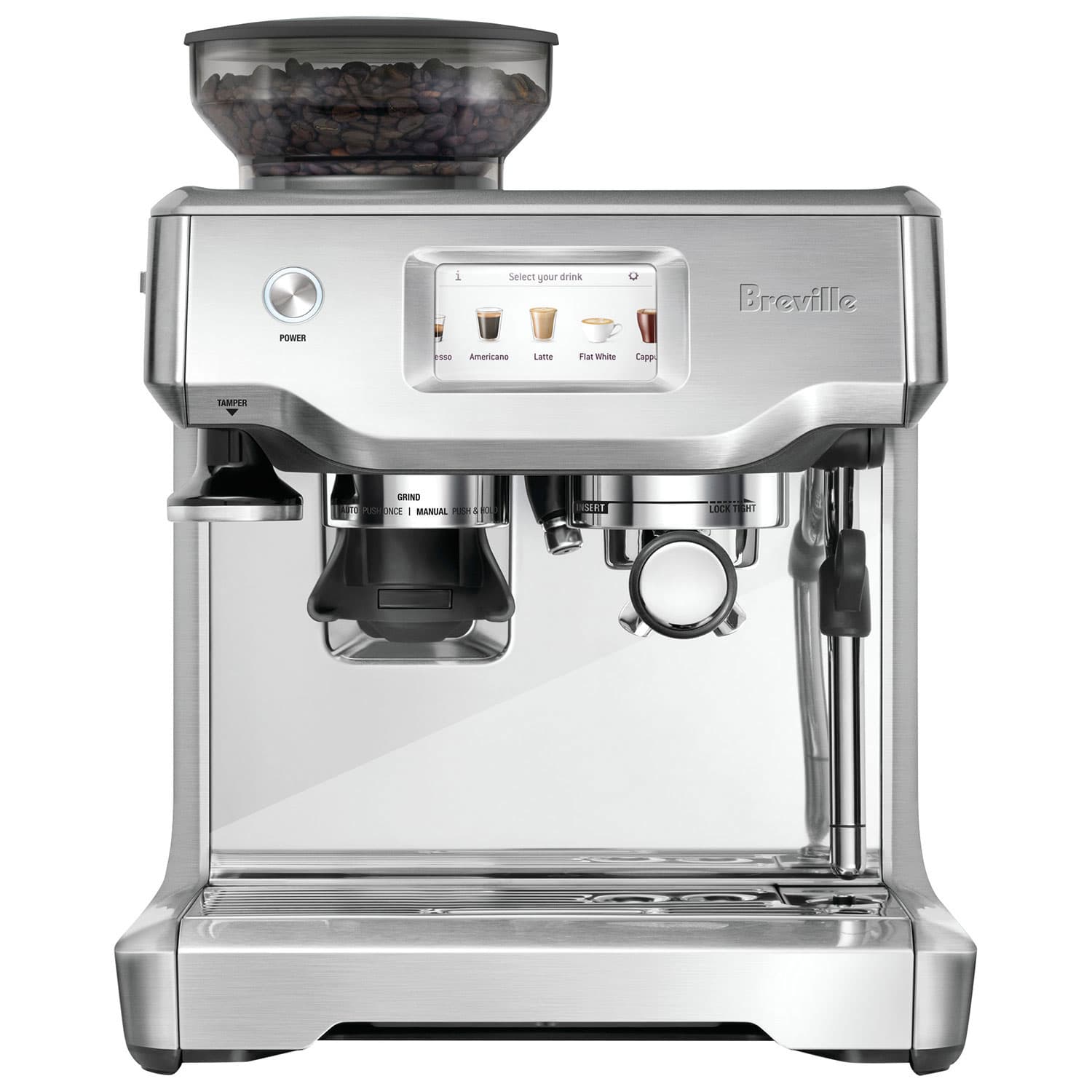
Alternative: Breville Barista Touch
- Best for:
- Households that want presets more than manual control
Touchscreen recipes and automatic milk when several people need guided drinks.
Same fast-heat family with more appliance-like automation.
Key strengths
- +Saved drinks
- +Auto milk option
Things to consider
- −Higher price
- −More menu between you and the shot
FAQ
Is the Breville Barista Pro worth it?+
Yes if you want an all-in-one with faster heat-up than the Express and will use the built-in grinder. No if a separate grinder is already in the budget—then a smaller machine usually returns more.
Barista Pro vs Barista Express?+
The Pro is the better daily driver when heat-up time matters. The Express is the better buy when you want the same integrated idea at a lower typical price. Read our full comparison.
Does the Barista Pro need a separate grinder?+
Not on day one. Many homes never add one. Enthusiasts often add a dedicated grinder later and leave the built-in unit unused.
Is the Barista Pro good for beginners?+
Yes for beginners who want one shopping decision. Pair it with a scale. See our beginner espresso machine guide if you would rather learn on a smaller machine.
How much does the Barista Pro cost?+
Street prices typically sit below list and move with promotions. Treat any number as changeable and check the product page.
Related Coffee Standard Guides

Comparisons
Breville Barista Express vs Barista Pro: Which Should You Buy?
A head-to-head for shoppers choosing between Breville’s two most popular all-in-one espresso machines.
Updated August 7, 2026 · 8 min read
Comparisons
Breville Barista Pro vs Barista Touch: Which Should You Buy?
Manual-guided control versus touchscreen recipes for Breville’s upper all-in-one tier.
Updated August 7, 2026 · 7 min read
Espresso Machines
Breville Barista Express Review
The iconic all-in-one home espresso station—what it gets right and where you will eventually upgrade.
Updated August 7, 2026 · 10 min read

Espresso Machines
Breville Barista Touch Review
The guided all-in-one for households that want presets, auto milk, and ThermoJet speed in one footprint.
Updated August 13, 2026 · 10 min read
Espresso Machines
Best Espresso Machines for Beginners
Approachable machines that help new home baristas learn espresso without a wall of dials.
Updated June 20, 2026 · 8 min read

Guides
Espresso Machine Buying Guide
A practical framework for choosing your first or next espresso machine.
Updated August 1, 2026 · 12 min read
Espresso Machines
Should You Buy an Espresso Machine With a Built-In Grinder?
A direct answer to the built-in vs separate grinder decision—convenience, taste, upgrades, and who should buy which.
Updated August 13, 2026 · 8 min read
Coffee Setups
Best Espresso Setup Under $1,000
An espresso-first kit under $1,000 that spends on the grinder on purpose—not a Barista-series machine that leaves crumbs for coffee grinding.
Updated August 13, 2026 · 10 min read